
The esophagus, commonly referred to as the food pipe, is a vital component of the digestive system that carries swallowed food and liquids from the mouth to the stomach. This muscular tube performs coordinated contractions to ensure smooth passage of food. However, several medical conditions can affect the esophagus and interfere with normal swallowing and digestion. These conditions range from motility disorders and acid reflux to strictures and cancer. Modern diagnostic tools and advanced surgical techniques, including Esophagus Surgery in Delhi, provide effective treatment options for patients suffering from these disorders.

Common Symptoms of Esophageal Disorders:
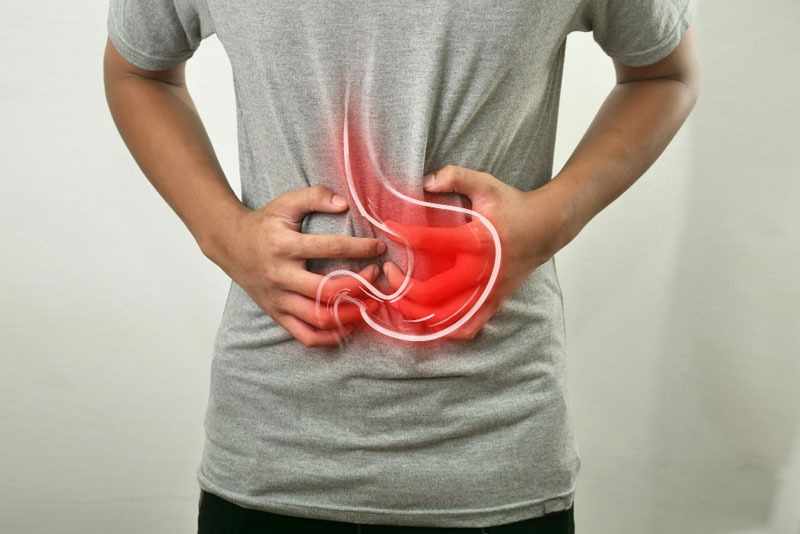
The most frequent symptom associated with esophageal disease is dysphagia, or difficulty in swallowing. Patients may experience the sensation of food getting stuck in the chest or throat while swallowing. Dysphagia can occur with both solid foods and liquids, depending on the underlying condition. Other symptoms may include chest discomfort, regurgitation, persistent heartburn, and unintended weight loss.
Early evaluation is essential, as persistent swallowing difficulty may indicate a serious underlying problem that requires specialized medical attention.
Achalasia: A Motility Disorder of the Esophagus-
Achalasia is a rare condition characterized by the inability of the lower esophageal sphincter (LES) to relax properly. The LES acts as a valve between the esophagus and stomach. When it fails to open normally, food cannot pass easily into the stomach, leading to progressive dilation of the esophagus.
Patients with achalasia often experience difficulty swallowing liquids in the early stages, which later progresses to difficulty swallowing solids as well. Treatment typically involves relieving the obstruction at the lower end of the esophagus.
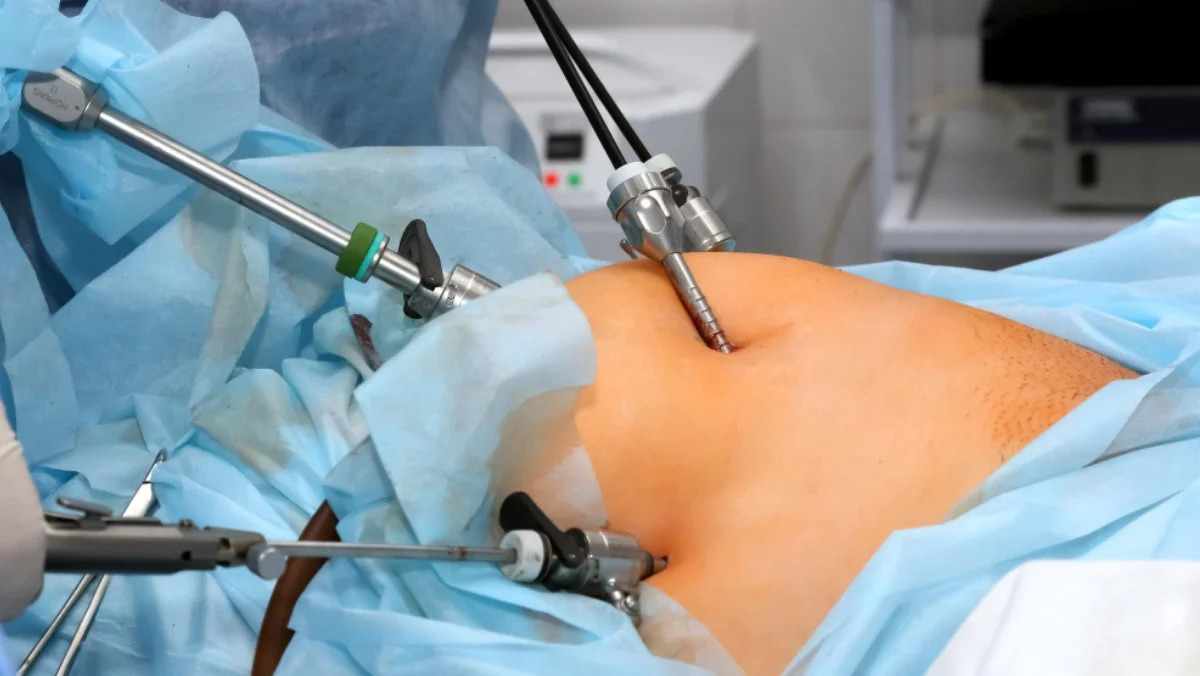
One of the most effective treatments is Laparoscopic Heller’s Myotomy, a minimally invasive surgical procedure that cuts the tight muscle fibers of the lower esophageal sphincter to allow food to pass normally. Endoscopic techniques, such as pneumatic dilation or POEM (Peroral Endoscopic Myotomy), may also be used in selected cases. Many patients seeking advanced Esophagus Surgery in Delhi benefit from these modern minimally invasive approaches.
Gastroesophageal Reflux Disease (GERD):
Gastroesophageal Reflux Disease (GERD) occurs when stomach acid flows backward into the esophagus due to weakness or laxity of the lower esophageal sphincter. This condition often leads to a burning sensation behind the breastbone (retrosternal burning), commonly known as heartburn.
If GERD persists for a long time, it may lead to complications such as Barrett’s Esophagus, a condition that increases the risk of esophageal cancer.
Most patients experience significant symptom relief with medications such as proton pump inhibitors (PPIs) combined with prokinetic agents that improve stomach motility. However, these medications may need to be taken long term. In patients with severe reflux or medication dependence, laparoscopic fundoplication is an effective surgical solution that restores the function of the lower esophageal valve and provides long-lasting relief.
Esophageal Cancer:
Cancer of the esophagus is a serious condition that typically presents with progressive dysphagia, weight loss, and difficulty swallowing solid foods. The most common risk factors include tobacco use, alcohol consumption, chronic acid reflux, and Barrett’s esophagus.
The two main types of esophageal cancer are adenocarcinoma and squamous cell carcinoma. Early diagnosis is crucial for successful treatment.
Management of esophageal cancer usually requires a multidisciplinary approach, which may include surgery, chemotherapy, and radiotherapy. Surgical treatment is often performed using advanced minimally invasive techniques, combining Video-Assisted Thoracoscopic Surgery (VATS) with laparoscopy. Patients undergoing treatment under the guidance of an experienced Cancer Surgeon in Delhi benefit from comprehensive care, modern technology, and improved recovery outcomes.
Esophageal Strictures due to Corrosive Ingestion:
In some cases, swallowing corrosive substances such as strong acids or alkalis can severely damage the esophagus. This injury may result in stricture formation, where the esophageal passage becomes narrowed and causes difficulty in swallowing.
Treatment depends on the severity of the stricture. Mild to moderate strictures may be treated with endoscopic dilation, a procedure that gradually widens the narrowed segment. Severe cases may require reconstructive esophagus surgery to restore the normal passage of food.
Advanced Esophageal Care:
With advancements in medical technology and surgical expertise, the management of esophageal diseases has become safer and more effective. Patients seeking specialized treatment, including Esophagus Surgery in Delhi, have access to minimally invasive procedures, advanced diagnostic facilities, and multidisciplinary care provided by experienced specialists.
Consulting a skilled Cancer Surgeon in Delhi ensures timely diagnosis, personalized treatment planning, and comprehensive management of both benign and malignant esophageal conditions.



Write a comment ...