
The gallbladder is a small, pear-shaped organ located beneath the liver, often overlooked until it begins to cause discomfort. However, disorders such as gallstones can significantly impact digestive health and overall well-being. Recognizing early warning signs and understanding when to seek medical care is essential for timely intervention.

What Are Gallstones?
Gallstones are solid deposits that form within the gallbladder due to imbalances in bile composition. Bile, produced by the liver, plays a crucial role in fat digestion and absorption of fat-soluble vitamins. When substances like cholesterol or bilirubin become excessively concentrated, or when the gallbladder fails to empty efficiently, these substances crystallize into stones.
These stones may vary in size — from tiny granules to larger masses — and may be single or multiple. While some individuals remain asymptomatic, others may develop significant clinical symptoms requiring medical attention.
Who Is at Risk?
The likelihood of developing gallstones varies based on multiple factors:
Age and Gender: Incidence increases with age and is more common in women, particularly during reproductive years due to hormonal influences.
Dietary Habits: Diets rich in fats and cholesterol elevate the risk.
Obesity and Rapid Weight Loss: Both excessive weight and sudden weight reduction can disturb bile balance.
Genetic Predisposition: Family history plays a notable role.
Medical Conditions: Diabetes, liver disease, and metabolic syndrome are associated risk factors.
Lifestyle Factors: Sedentary habits and poor nutrition contribute significantly.
Common Symptoms of Gallstones:
Gallstones may remain silent for years; however, symptomatic cases often present with:
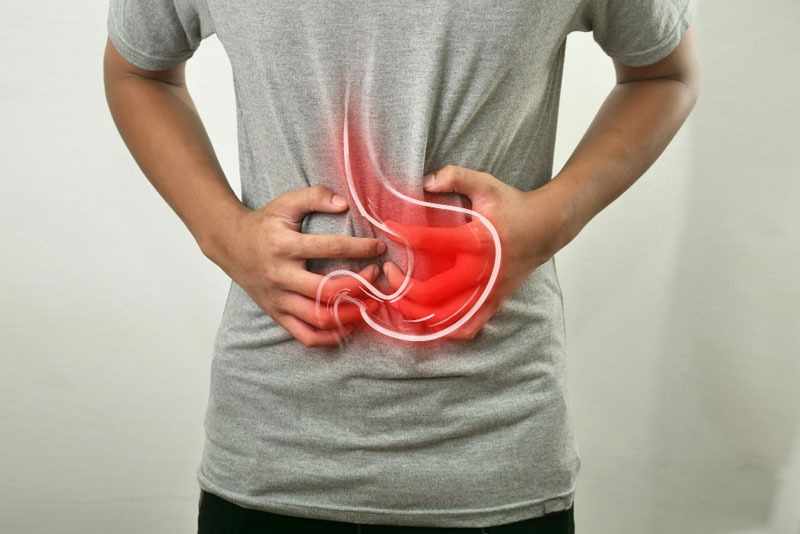
Severe pain in the upper abdomen or back, especially after fatty meals
Nausea and vomiting
Bloating, indigestion, and gas
Jaundice (yellowing of skin and eyes) if bile ducts are obstructed
Such symptoms should not be ignored, as they may indicate complications.
Is Surgery Always Necessary?
Not all gallstones require surgical intervention. Asymptomatic cases may be managed conservatively under medical supervision. However, recurrent pain, complications, or risk of obstruction often necessitate surgical removal of the gallbladder, known as cholecystectomy.
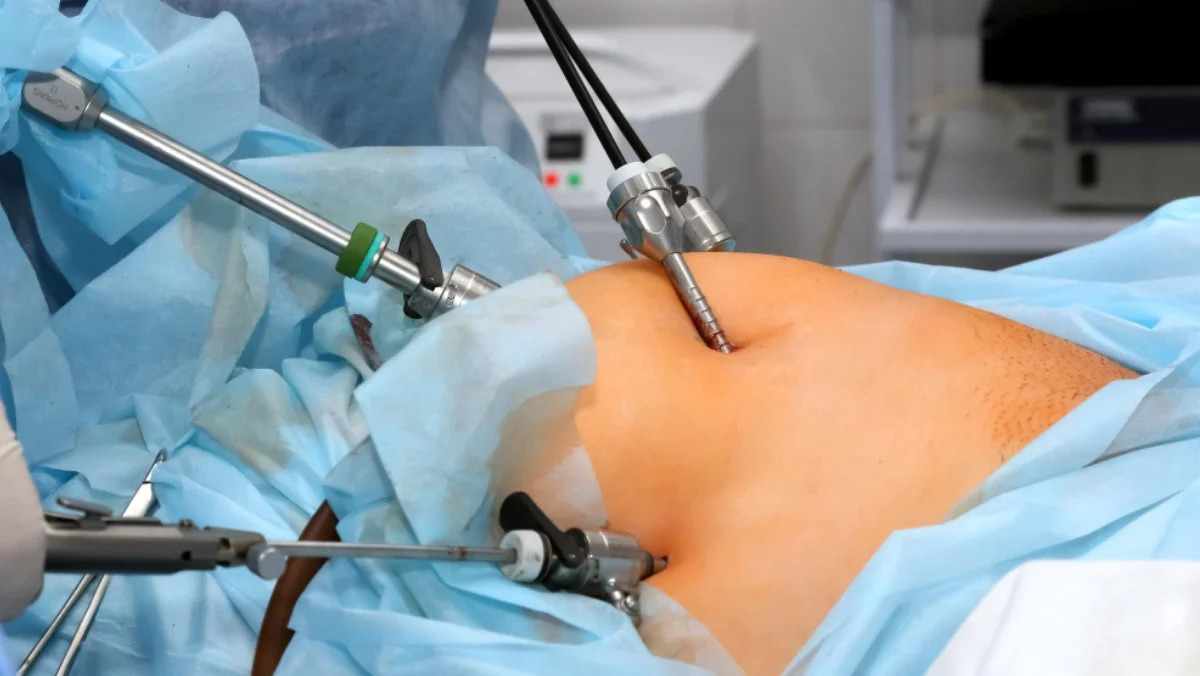
For patients experiencing repeated attacks, Gallbladder Stone Surgery in Delhi offers a safe and effective solution, often performed using minimally invasive laparoscopic techniques.
Risks of Delaying Treatment:
Untreated gallstones can lead to serious complications, including:
Cholecystitis: Inflammation of the gallbladder
Choledocholithiasis: Blockage of bile ducts
Cholangitis: Severe infection requiring emergency care
Pancreatitis: Inflammation of the pancreas
Persistent digestive disturbances and reduced quality of life
Rarely, increased risk of gallbladder cancer
Timely surgical intervention can prevent these potentially life-threatening conditions.
Recovery After Gallbladder Surgery:
Gallbladder removal is a commonly performed and generally safe procedure. Most patients resume normal activities within 7–10 days. Mild postoperative discomfort may persist briefly but is significantly less with laparoscopic surgery.
After surgery, bile flows directly from the liver into the intestine. Patients are advised to limit high-fat foods initially to support digestion and recovery.
Expert Care in Delhi:
If you are experiencing symptoms suggestive of gallstones, consulting an experienced specialist is crucial. An expert Cancer Surgeon in Delhi, such as Dr. Neeraj Goel, provides advanced evaluation and treatment options, ensuring comprehensive care and optimal outcomes.
Early diagnosis and timely management can help you avoid complications and return to a healthy, pain-free life.
#Gallbladder Stone Surgery in Delhi #Stomach Cancer Treatment in Delhi






Write a comment ...